A tall tub wall is a common fall point. You lift a leg, balance on a wet surface, and hope your grip holds. A tub-to-shower conversion replaces that tub with a low-entry shower, so you can walk in instead of climbing in.
Topmeilleurscasino Walk-In Tubs is a referral service. We connect homeowners in the New Castle area with independent providers in our network who do the work. This page explains your options, what the job involves, what it may cost, and how to judge a provider. It also covers the questions to ask and the warning signs to watch for. Ask before signing, get the quote in writing, and put safety before style.
Is your tub already a safety problem?
The tub wall is the hardest step in many bathrooms. You raise one leg, balance on wet tile, then lower yourself. That is where many falls happen.
If that sounds familiar, treat this as a safety job first. Style can wait.
Signs it is time to convert
- You grab the towel bar or sink to get in.
- You skip baths or showers when nobody else is home.
- A knee, hip or balance problem makes the wall hard to cross.
- You have had a slip or a close call.
- A family member helps you, and the space is tight.
Do not wait for a fall to start planning. Request a callback to check provider availability in your area.
Is a conversion right for your bathroom?
A conversion suits many homes. It works well when the tub is simply too hard to enter and you can manage standing for a short time, or sit on a built-in seat.
It may not be the right fit if you cannot stand or transfer to a seat at all. Some people need to soak for pain relief. A provider should ask about this before recommending anything, and a good one will talk through other choices honestly.
Conversion options
Most jobs fall into three shapes. Ask a provider which one suits your room and why.
Low-threshold shower
The tub is removed and a shower base goes in with a short curb. It is the most common choice and often the simplest to build.
Curbless shower
There is no curb at all. The floor slopes gently to the drain. This helps with walkers and is popular for handicap accessible showers. It needs more floor work.
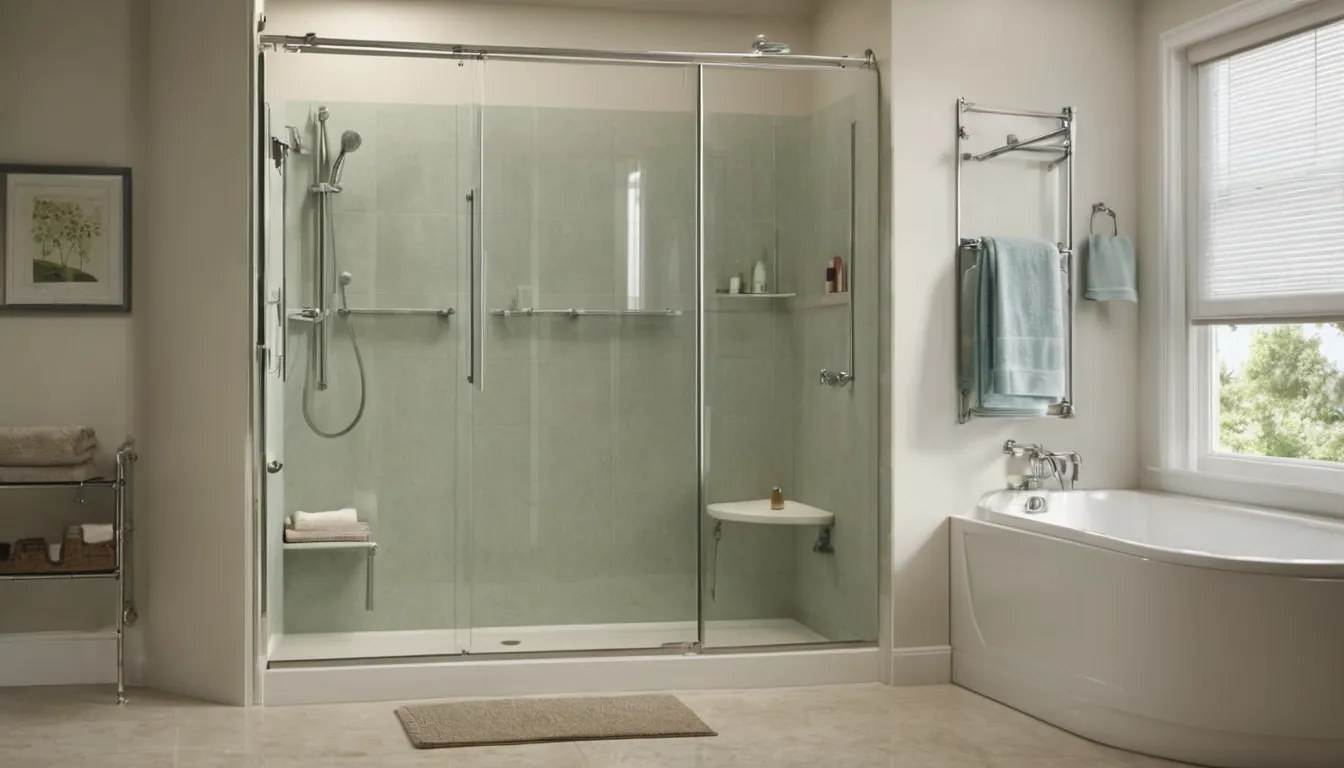
Shower with seat and grab bars
A built-in bench and secure grab bars help anyone who tires easily. This is the usual setup for a safe bathing conversion for older adults.
What the work involves
A typical tub replacement with a shower has several stages. The provider removes the old tub and any damaged wall material. Then the drain is moved or reworked, a new base goes in, walls are sealed, and fixtures are set.
A solid answer to "what will you do on day one?" names these steps in order. A vague answer is a warning sign.
Older plumbing and hidden surprises
Many homes here have colonial or split-level layouts, and rowhouses in older areas. Some still have cast-iron drains and galvanized supply pipes. These can corrode, clog or break when disturbed.
Do ask the provider to inspect the pipes before work starts. Do not accept a quote that ignores what is behind the wall. Humid summers and cold winters can hide rot or mold in old tub surrounds, so ask how they handle damage they find.
How long does it take?
Many simple conversions take a few days. Tile work, moved drains or repairs to the floor can stretch that out. Curing and drying times matter, so rushing is not a good sign.
Ask for a written schedule. Ask what happens if the provider finds damage mid-job.
Glass door, fixed panel or curtain?
Each choice has trade-offs. Think about safety, not looks alone.
- Curtain: low cost, easy to reach around, simple to replace. It can billow in and stick to you.
- Fixed panel: blocks most spray and leaves a wide opening. Good for walking in.
- Glass door: keeps heat in, but a track or heavy door can be hard to handle with limited strength.
If you use a walker or wheelchair, tell the provider early. The opening width matters.
Floors, fixtures and grab bars
A wet floor is a slip risk, so ask about slip-resistant surfaces. A handheld shower head on a slide bar helps when seated. A thermostatic or pressure-balancing valve can reduce sudden hot or cold bursts.
Grab bars must go into solid backing, not just tile. Ask how the provider will confirm the wall can hold your weight. A suction bar is not a substitute.
Plan for the years ahead
Your needs may change. Choose a layout that still works if you later use a walker or a shower chair.
Ask about blocking inside the walls, so you can add grab bars later. Wider doorways, a bench and a curbless entry cost less to plan now than to rebuild later. Many people look at senior walk-in tubs as another path, and a provider can compare that choice with a shower for your situation.
Questions to ask the provider
Ask before signing. These questions matter most:
- Who does the work: your own employees or subcontractors?
- Can you show proof of license and insurance where your state requires it?
- What is included: demolition, disposal, plumbing, walls, fixtures?
- What happens if you find water damage?
- How is payment scheduled?
- Who handles permits, if any are needed?
What a good answer sounds like
A good provider answers plainly. They explain the steps, name the materials, and say what could change the price. They are happy to put it in writing.
Red flags
- Pressure to sign today.
- A large payment demanded up front.
- No written quote, or one with a single lump number.
- No questions about your health or mobility.
- Dodging questions about license or insurance.
If you see two or more, walk away and compare other providers.
Get the quote in writing
A written quote protects you. It should list the scope, materials, timeline and payment terms. Compare at least two before deciding. Topmeilleurscasino Walk-In Tubs can connect you with independent providers in our network, with no obligation to hire anyone.
What's Included
Safety review
The provider checks how you move, where you slip, and what the bathroom needs.
Tub removal and prep
The old tub comes out, and the provider checks walls, floor and drain for hidden damage before building.
New shower base and walls
A low-entry base and sealed wall panels or tile go in, set for proper drainage.
Fixtures and safety add-ons
Valves, a handheld shower head, a bench and grab bars can be added to the job.
What a Conversion May Cost
Prices vary by job size, materials, local labor and what is found behind the walls. These are typical U.S. ranges only. Always get a written quote that lists exactly what is included before you agree to anything.
| Item | Typical range | Notes |
|---|---|---|
| Basic tub-to-shower with prefab base | $3,500 – $8,000 | Simplest option; standard size tub footprint |
| Tiled low-threshold shower | $6,000 – $15,000 | More labor and waterproofing work |
| Curbless (walk-in) shower | $8,000 – $20,000 | Floor work and drain changes raise the price |
| Glass door or fixed panel | $400 – $2,000 | Depends on size, glass and hardware |
| Grab bars and built-in bench | $200 – $1,200 | Needs solid wall backing |
| Plumbing updates or wall repair | $500 – $4,000 | Common in older homes with worn pipes |
How It Works
Describe your bathroom
Tell us about the tub, your mobility needs and any trouble spots.
Talk with a provider
A local provider asks questions and may look at the room before quoting.
Compare written quotes
Check the scope, materials, schedule and payment terms side by side before you agree.
Schedule the work
Once you choose a provider, you agree on dates, and the provider handles the conversion from start to finish.
Why Call Topmeilleurscasino Walk-In Tubs
Ask before signing
We explain what to ask so you spot weak answers early.
Safety first
Advice starts with how you move and where you slip, not with product looks or trends.
Independent providers
Providers in our network do the work, so you can compare more than one.
Quote in writing
Request an estimate, with no obligation, and compare written scopes before choosing.
Other Services
Need tub-to-shower conversions in New Castle?
Tell us about your bathroom and what worries you most. Request a callback or send a request, and we will point you to a local provider in our network.
No obligationTub-to-Shower Conversions FAQ
How much does it cost to convert a tub to a shower?
Typical U.S. costs run from about $3,500 for a basic prefab shower to $20,000 or more for a curbless tiled one. Plumbing repairs, materials and local labor change the total, so get a written quote.
How long does a tub-to-shower conversion take?
Many simple jobs take a few days, while tile work or plumbing changes can take longer. Ask the provider for a written schedule.
Can I convert my tub to a shower if I use a walker?
Often yes. A curbless entry with a wide opening and a bench usually works well. Tell the provider about your walker early so they can measure and plan the layout.
Tell us what happened
Tell us about your bathroom and what worries you most. Request a callback or send a request, and we will point you to a local provider in our network.
No obligation