Residential Walk-In Showers for Safer Bathing
A walk-in shower lets a person step into the bathing space instead of climbing over a tall tub wall. The entry is low or level with the floor, which cuts the risk of a trip or slip. Many homeowners choose one for a parent, a partner with balance trouble, or themselves after a knee or hip problem. It also suits people who use a cane, walker or wheelchair.
Topmeilleurscasino Walk-In Tubs is a referral service. We connect homeowners with independent providers in our network who design and build these showers. The provider does the work, not Topmeilleurscasino Walk-In Tubs. We explain what to ask, what a solid answer sounds like, and what warning signs to watch for. You can then request an estimate with no obligation and compare written quotes for homes across the New Castle area.
If Bathing Feels Risky, Act Before a Fall
Stepping over a tub wall is one of the riskiest moves in a bathroom. Wet feet, soap and a high edge are a bad mix. If someone at home has slipped, grabbed a towel bar for balance, or started skipping baths, treat that as a warning.
Do not wait for a fall. A walk-in shower removes the tall step and gives more room to move. It is a common safe bathing conversion, and it is the usual choice for handicap accessible showers.
What a Walk-In Shower Changes
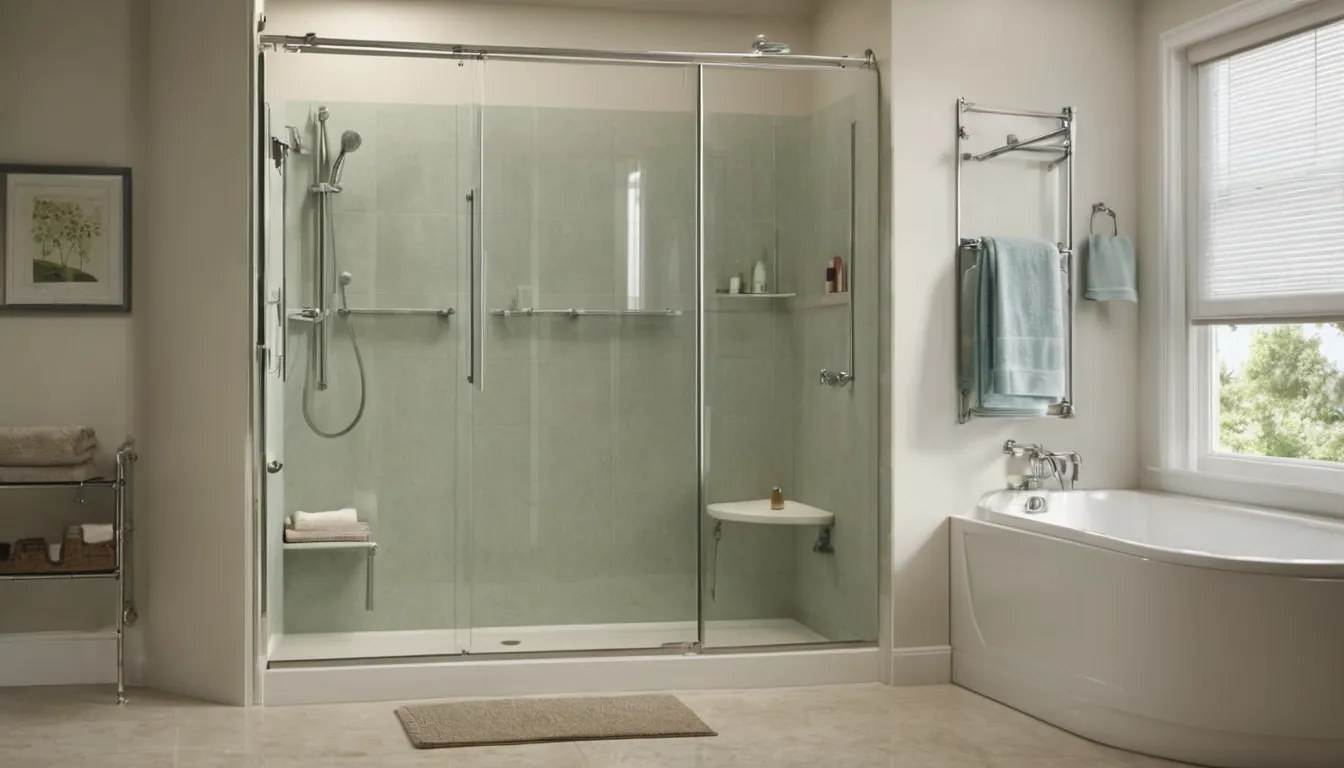
You walk in instead of climbing in. That is the whole idea. The entry is low or level with the floor, so there is no big leg lift. There is also space for a seat, grab bars and a helper if one is needed.
Some people want to sit and soak. That is a different product. Senior walk-in tubs suit that need, and they have their own page. Here we stay with showers.
Low Threshold or Curbless: Choose Carefully
A low-threshold shower has a small lip that keeps water inside. A curbless shower has no lip at all. The floor slopes gently to a drain.
Do tell the provider how the person moves. A lip can catch a walker wheel or a shuffling foot. Do not assume curbless is always needed, though. It takes more floor work, and some framing or slab setups make it hard.
Safety before style. Pick the entry that fits how the person moves today and how they may move in a few years.
Safety Features Worth Asking For
Think about where a hand or foot will land. Then add support there.
- Grab bars fastened into solid backing, not just drywall
- A slip-resistant floor you can feel through wet feet
- A seat, either built in or folding, at a comfortable height
- A handheld shower head on a slide bar
- Controls you can reach from the seat, with a scald-protection valve
- Good lighting and a working fan
Do not accept suction-cup bars as a fix. Ask where the wall backing will go before the walls are closed up.
Prefab Panels or Tiled Walls
Prefab walls come as a kit of panels or one molded unit. There are few seams, so there is less grout to clean. They usually go in faster and cost less.
Tiled walls are built on site. They allow custom sizes, odd corners and more design choices. They also need careful waterproofing behind the tile. A weak membrane can leak for months before anyone sees it.
Ask the provider which one fits your space and why. A good answer names the size of the room, the budget and the upkeep, not just looks.
What the Installation Involves
The work follows a clear order. Ask the provider to walk you through it.
- Remove the old tub or shower and check what is under it
- Repair the subfloor and frame the new space
- Adjust the plumbing and drain
- Build the slope and waterproof layer
- Set the walls, floor and any door or curtain track
- Mount the fixtures and bars, then test for leaks
Do not skip the last step. A water test before the job is called finished can save a lot of grief.
How Long the Work Usually Takes
A simple prefab swap can take a few days. A tiled or curbless shower can take a week or two, and tile setting needs drying time. Ordering parts and permits can add waiting time before work starts.
Ask for the schedule in writing. Also ask where the family will bathe while the room is closed.
Older Homes and Hidden Plumbing Surprises
Colonials, split-levels and older rowhouses often hide old cast-iron drains and galvanized pipes. Once the wall opens, the provider may find rust, rot or a drain in the wrong spot. That can change the price.
Ask what happens if surprises show up. A solid answer explains how extra work is priced and approved before it starts. Homes with a basement below can make drain access easier, so mention it. Cold winters can strain exposed pipes, so ask about outside walls too.
Keeping It Clean and Comfortable
Humid summers invite mildew. Run the fan during and after every shower. Wipe glass and corners now and then.
Fewer grout lines mean less scrubbing. Large tiles or solid panels are easier to maintain. Ask which cleaners are safe for the surface, because harsh products can dull some finishes.
Comfort matters too. A seat that is warm to the touch and a shower head that sits at the right height make bathing something people will actually do.
Plan Around the Person Who Will Use It
Measure the person, not just the room. Think about height, reach, grip strength and balance. Think about whether a helper needs to stand beside them.
- Will they bathe seated or standing?
- Do they use a walker or wheelchair to get to the entry?
- Is the door wide enough, and does it swing out of the way?
- Will needs change in the next five years?
Bring these answers to the first visit. A good provider will ask them too.
Questions to Ask Before Signing
Ask before signing. Here is what to ask and what a solid answer sounds like.
- Who does the work? A clear answer names the crew type and whether subcontractors are used.
- What is in the quote? A solid answer lists demolition, plumbing, waterproofing, fixtures, cleanup and permits.
- How do you handle surprises? A good answer says changes are priced and approved in writing first.
- What does the warranty cover? Expect a written answer with terms, not a handshake.
- Are you licensed and insured where required? Ask to see proof, since rules vary by area.
Red Flags to Walk Away From
- Pressure to sign on the spot
- A price with no written breakdown
- No visit to measure the bathroom
- A large payment demanded up front
- Vague answers about waterproofing or grab bar backing
Quote in writing, every time. If a provider will not do that, move on.
What's Included
Low-threshold or curbless entry
Providers can build a shallow lip or a flat, sloped floor so walking in takes less effort and less lifting.
Grab bars and seating
Bars and a seat are placed where a hand or hip needs support.
Slip-resistant surfaces
Textured floors and wall finishes give wet feet better grip, and many options are easy to wipe clean.
Plumbing and waterproofing work
Drain changes, a sloped base and a sealed wall layer help the shower stay dry behind the walls.
What Walk-In Showers Typically Cost
Prices vary a lot by room size, wall material, floor work and plumbing condition. These are typical U.S. ranges, not offers. Older homes with hidden pipe problems can run higher. Always get a written quote that lists every item before you agree.
| Item | Typical range | Notes |
|---|---|---|
| Prefab low-threshold shower | $3,000 – $8,000 | Faster build, fewer seams |
| Tiled walk-in shower | $6,000 – $15,000 | Custom size, more labor |
| Curbless shower with sloped floor | $8,000 – $25,000 | Needs added floor work |
| Grab bars and seat, installed | $250 – $1,200 | Depends on backing and type |
| Plumbing and drain changes | $500 – $4,000 | Older pipes cost more |
| Glass door or curtain system | $300 – $3,000 | Frameless glass is pricier |
How It Works
Tell us your needs
Share who will use the shower, how they move, and any trouble spots in the current bathroom.
Get matched with a provider
A provider in our network reaches out to set up a visit.
Review the written quote
Check that the quote lists every item, the schedule and the warranty terms.
Choose and schedule the work
Pick the provider you trust, confirm the dates in writing, and plan for bathing during work.
Why Call Topmeilleurscasino Walk-In Tubs
Ask before signing
We list the questions to ask and what a solid answer sounds like, so you can judge providers.
Independent local providers
Providers in our network are independent businesses that do the work and stand behind their own quotes.
Plain guidance
Clear do and do not advice helps you avoid the mistakes that cost money.
No obligation
Request an estimate, compare written quotes and decide on your own schedule.
Other Services
Need residential walk-in showers in New Castle?
Tell us about your bathroom and what worries you most. Request a callback or send a request, and we will point you to a local provider in our network.
No obligationResidential Walk-In Showers FAQ
How much does a walk-in shower cost?
Most walk-in shower projects in the U.S. land between about $3,000 and $25,000. Size, wall material, floor work and plumbing all change the price. Ask for a written quote that lists each item so you can compare.
Are walk-in showers safe for seniors?
They are safer than climbing over a tub wall, especially with grab bars, a seat and a slip-resistant floor. Tell the provider how the person moves so the design fits.
How long does walk-in shower installation take?
A simple prefab job can take a few days. Tiled or curbless showers often take a week or two. Ask the provider for a written schedule.
Tell us what happened
Tell us about your bathroom and what worries you most. Request a callback or send a request, and we will point you to a local provider in our network.
No obligation